The Rise of Digital Fast Fashion: How Shein Redefined the Concept of Affordable Fashion

Introduction
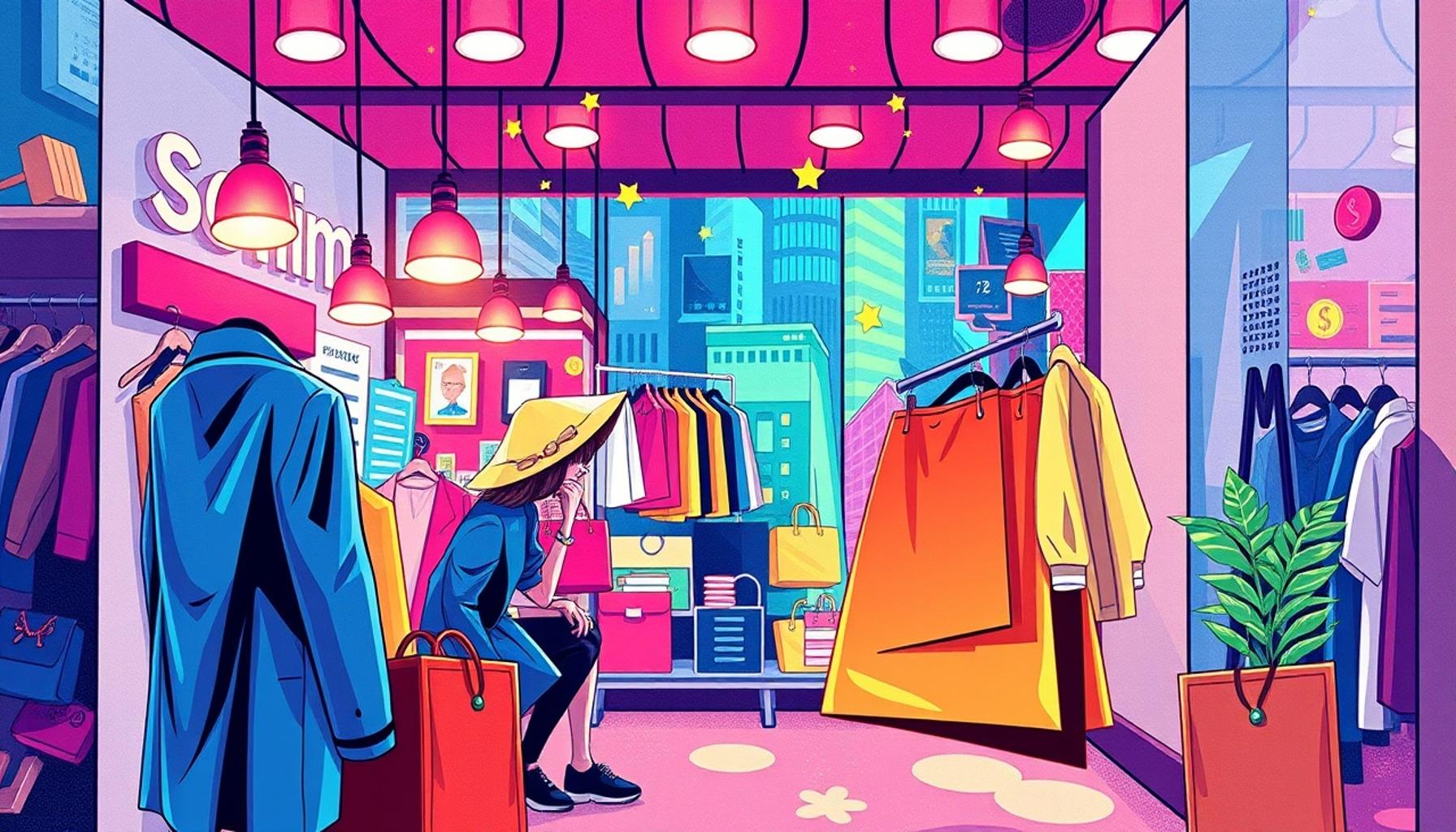
The intersection of technology and fashion has brought about a revolution in how consumers shop. Fast fashion, a term used to describe inexpensive clothing produced rapidly by retailers in response to the latest trends, has evolved into a digital realm. One brand leading this transformation is Shein, which has effectively redefined the concept of affordable fashion.
Here’s what makes Shein a game-changer:
- Affordable Prices: With items often priced as low as $5, Shein attracts a broad consumer base. This pricing strategy is essential for younger shoppers, many of whom have limited disposable income. For example, a college student can refresh their wardrobe with a few trendy pieces without breaking the bank. Such affordability makes it possible for consumers to stay fashionable without the pressure of high costs.
- Trend Responsiveness: The brand takes inspiration from runway shows and influencers, releasing new styles within weeks. This quick turnaround time allows Shein to capitalize on fleeting trends, enabling consumers to wear the latest styles almost immediately. A notable instance of this is how the brand frequently collaborates with social media influencers who showcase the newest collections, turning items into viral sensations almost overnight. This creates a cycle of demand where consumers feel compelled to purchase quickly before items sell out.
- User Experience: Their user-friendly app and website create a seamless shopping experience, essential for today’s digital consumer. Shein’s platform is designed to be visually appealing and easy to navigate, encouraging shoppers to browse and buy more. For instance, features like personalized recommendations based on browsing history enhance the shopping experience and increase the likelihood of impulse purchases.
This blend of affordability, speed, and accessibility has allowed Shein to capture the attention of millions, particularly among younger shoppers. With a marketing strategy that includes influencer partnerships, social media advertising, and targeted promotions, Shein effectively engages its audience and maintains a strong brand presence across various platforms.
As the digital landscape continues to expand, understanding Shein’s strategies offers valuable insights into the future of fashion. The brand not only showcases how technology can optimize retail but also prompts discussions about sustainability and the ethical implications of rapid production cycles in the fashion industry. Moving forward, it will be crucial for both consumers and industry players to consider these factors while navigating this new retail environment.
DISCOVER MORE: Click here to learn how gamification transforms e-commerce
Understanding Shein’s Business Model
At the core of Shein’s success lies a well-crafted business model that leverages technology to meet consumer demands swiftly and efficiently. Unlike traditional retailers, Shein operates with a digital-first approach that enables it to respond to market trends with agility. This efficiency stems from several key elements of its operational strategy:
- Data-Driven Design: Shein employs advanced data analytics to track shopping patterns and social media trends. This data informs its design process, allowing the brand to create styles that resonate with consumers. For example, by monitoring hashtags on platforms like Instagram and TikTok, Shein can pinpoint trending fashion elements and quickly develop corresponding items. This rapid response ensures that popular styles are available for purchase in as little as two weeks, effectively capitalizing on consumer interest and driving sales.
- On-Demand Production: A defining characteristic of Shein’s operations is its on-demand production strategy. Unlike many fast fashion brands that produce large inventory quantities upfront, Shein focuses on manufacturing styles only when there is a visible demand. This approach not only minimizes waste—a significant issue in the fashion industry that often leads to unsold stock—but also allows Shein to adapt its offerings based on real-time consumer feedback. By producing items only when they are wanted, the company effectively mitigates the risks associated with overproduction and excess inventory.
- Global Supply Chain: Shein’s robust global supply chain enables the company to source materials and production from various locations, predominantly in Asia. By maintaining a network of suppliers, particularly in countries like China and Bangladesh, Shein benefits from lower production costs. This cost efficiency enables the company to offer affordable prices to consumers, which is a crucial factor in attracting budget-conscious shoppers, particularly millennials and Gen Z. Furthermore, its expansive supplier network allows Shein to swiftly respond to shifts in consumer preferences, ensuring its inventory remains relevant and appealing.
These fundamental aspects of Shein’s business model position it strongly within the digital fast fashion space. With an ability to consistently introduce new products at competitive prices, Shein effectively meets the desires of a generation that values novelty and accessibility in fashion.
Moreover, Shein’s emphasis on customer engagement plays a significant role in its success. The brand actively interacts with its audience through vibrant social media platforms. It showcases customer-generated content, encouraging users to share photos and experiences featuring Shein products. This not only fosters a sense of community among consumers but also enhances their connection with the brand. The use of influencers and social media challenges further bolsters brand loyalty, allowing customers to feel like they are part of a larger, fashionable family.
In conclusion, Shein has adeptly harnessed technology and the dynamics of social media to redefine affordable fashion. By prioritizing data analysis, on-demand production, and a robust global supply strategy, Shein sets a revolutionary precedent in the fast fashion industry. As consumer preferences continue to evolve, other companies are likely to study and adopt similar practices that have contributed to Shein’s impressive growth and market adaptability.
LEARN MORE: Click here for essential retirement planning tips
The Role of Social Media and Influencer Marketing
In today’s digital age, social media serves as a powerful tool for brand promotion, and Shein has effectively tapped into this resource to bolster its rise in the fast fashion landscape. By creatively utilizing platforms like Instagram, TikTok, and Facebook, Shein has managed to cultivate a strong online presence and a dedicated following among young consumers.
Influencer collaborations play a central role in Shein’s marketing strategy. The brand strategically partners with fashion influencers and micro-influencers who resonate with their target audience. For instance, influencers often showcase how to style various Shein pieces through lookbooks, haul videos, and outfit inspirations. This not only enhances product visibility but also builds trust among potential buyers. Young consumers are more likely to purchase items that they see endorsed by relatable figures in their daily digital feeds, rather than traditional advertisements that may feel disconnected from their interests.
Moreover, Shein employs its unique community engagement strategy through challenges and campaigns like the “#SheinHaul” where customers are encouraged to share their favorite outfits purchased from the site. This grassroots approach creates a sense of belonging and encourages brand loyalty, as customers feel like active participants in a larger fashion conversation. The consistent interaction between Shein and its customers fosters a vibrant online community that celebrates individual style while collectively embracing Shein’s offerings.
User-generated content is another key element in Shein’s success. The brand’s encouragement for customers to post their outfits on social media often results in a plethora of authentic visual content that serves as free advertising. By reposting these images on its official accounts, Shein amplifies customer engagement and showcases real-life examples of how its clothing looks on different body types and styles. This not only humanizes the brand but also empowers customers, making them feel valued and recognized.
To further tap into the power of social media, Shein utilizes innovative marketing tactics such as flash sales and exclusive online events. Events like “Shein Live,” where designs are presented in a fashion show format streamed live on social media, offer viewers a dynamic shopping experience, making the process interactive and exciting. Customers can shop items in real-time during these events, which creates a sense of urgency and encourages impulse buying—traits that are often seen in consumers within the digital fast fashion realm.
Additionally, Shein capitalizes on social media trends by creating content that resonates with various cultural moments. For example, it engages with themes like body positivity and inclusivity, appealing to a diverse audience while showcasing a wide range of sizes and styles. This adaptability ensures that the brand remains relevant in the fast-paced world of fashion and continues to draw in new customers.
Ultimately, Shein’s effective use of social media and influencer marketing not only helps it reach a wider audience but also helps to establish an emotional connection with consumers, which is crucial in the contemporary fashion landscape. By being at the forefront of digital marketing trends, Shein has redefined how affordable fashion can thrive in a saturated market, highlighting the importance of engagement and relatability in consumer choice.
LEARN MORE: Click here to deepen your understanding
Conclusion
In conclusion, Shein’s remarkable ascent in the digital fast fashion industry underscores a significant transformation in how affordable apparel is marketed and consumed. The brand’s strategic integration of social media and influencer collaborations has not only expanded its reach but also established a profound connection with a generation of consumers who prioritize authenticity and engagement. By encouraging user-generated content and fostering an online community, Shein has created an ecosystem where customers feel valued and actively involved in the brand narrative.
Moreover, Shein’s ability to harness the power of real-time marketing tactics—such as live shopping events and flash sales—highlights its agility in responding to trending consumer behaviors and preferences. This dynamism allows the brand to maintain relevance in a hyper-competitive market while setting new standards for how fashion can be both accessible and trendy. Furthermore, Shein’s focus on inclusivity through diverse sizes and styles demonstrates its commitment to appealing to a broader audience, which is crucial in today’s socially conscious climate.
As we look to the future, it becomes clear that Shein’s innovative approach may serve as a blueprint for other brands in the fast fashion sphere. However, it also invites reflection on the implications of rapid consumerism and sustainable practices within the fashion industry. Balancing affordability with environmental responsibility will be an ongoing challenge. Ultimately, Shein has not only redefined the concept of affordable fashion but also set a precedent for how brands interact with consumers in a digital-first world.

Linda Carter
Linda Carter is a writer and fashion enthusiast specializing in Shein trends, online shopping tips, and style recommendations. With extensive experience helping readers discover affordable fashion, make smart shopping choices, and stay up to date with the latest collections, Linda shares her knowledge on our platform. Her goal is to empower readers with practical advice and useful strategies to make the most of their Shein shopping experience.