

The Influence of Social Media on Shein’s Collections and the Future of Digital Fashion
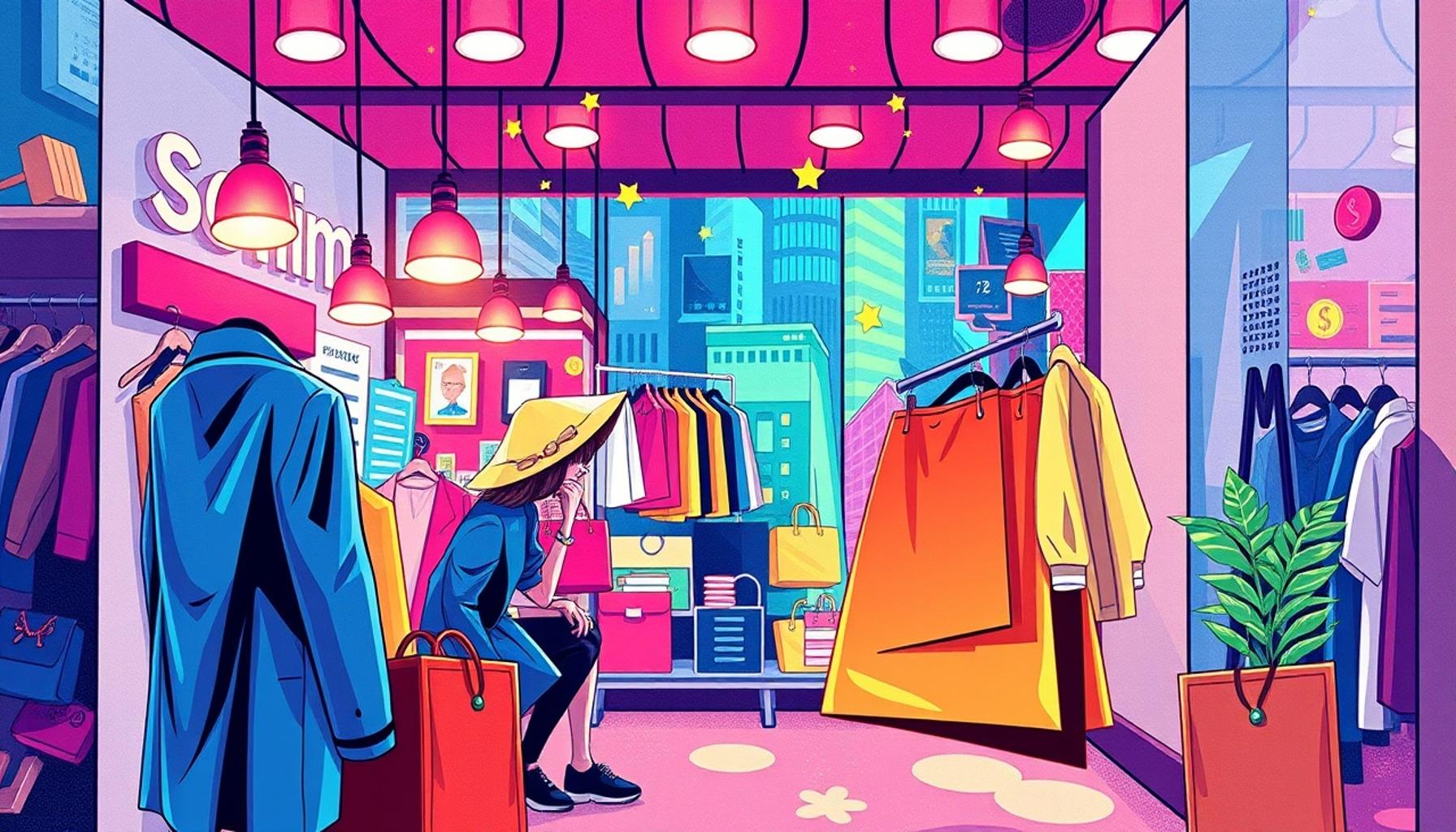
Impact of Social Media on Fashion Trends
In today’s fast-paced digital world, social media has dramatically transformed how we perceive and engage with fashion. Platforms such as Instagram, TikTok, and Pinterest are not just social networking sites; they are integral parts of the fashion landscape that dictate trends and influence consumer behavior. The rapid dissemination of information on these platforms allows for an instant reaction to fashion trends, making it essential for brands to stay on their toes.
One clear example of this phenomenon is Shein, a leading online fashion retailer that has seamlessly integrated social media strategies into its business model. Shein’s approach to marketing includes:
- Influencer Collaborations: Shein collaborates with a myriad of social media influencers, from micro-influencers with niche audiences to prominent figures boasting millions of followers. These partnerships amplify Shein’s reach, enabling the brand to penetrate various demographics, including Gen Z shoppers who heavily rely on influencers for fashion inspiration.
- Trend-Driven Designs: The agility of Shein in producing clothing that aligns with the latest trends is noteworthy. For instance, when a certain style—like the resurgence of Y2K fashion—gains traction on platforms like TikTok, Shein can quickly get similar pieces into the market, often in a matter of weeks. This rapid production cycle is essential in a landscape where trends can change almost overnight.
- User-Generated Content: Shein encourages its customers to share their outfits on social media platforms, creating a sense of community around the brand. This not only serves as free advertising but also fosters brand loyalty, as customers feel personally invested in Shein’s success.
This interconnectedness between social media and fashion has implications for the broader future of the retail industry. As consumer expectations evolve, brands are increasingly pressured to embrace:
- Sustainability: Modern consumers are becoming more environmentally conscious and are demanding transparency regarding the sustainability practices of brands. As a result, brands like Shein are starting to incorporate eco-friendly practices in their production and supply chains.
- Customization: The desire for personalized fashion is on the rise, with consumers seeking unique pieces that reflect their individuality. Brands are leveraging data gathered from social media interactions to create tailored shopping experiences.
- Virtual Shopping: The rise of augmented reality (AR) and virtual trial rooms is changing how consumers shop online. Innovative features enhance the shopping experience, making online fashion stores more interactive and engaging.
In understanding these dynamics, it becomes evident that the relationship between social media and fashion is not merely a trend but a fundamental shift in the retail narrative. For brands navigating this complex environment, leveraging social media effectively will be crucial for fostering engagement and remaining relevant in an ever-evolving marketplace.
DIVE DEEPER: Click here to discover how to get free clothes on Shein</
Shein’s Social Media Strategies and Trend Adaptation
Shein has utilized social media not just as an advertising platform but as a dynamic tool for shaping its collection. By analyzing real-time data from social media interactions, Shein can adapt its product lineup to align with emerging trends almost instantaneously. This responsiveness not only satisfies consumer demand but also solidifies its reputation as a frontrunner in the fast fashion sector.
One of the most significant aspects of Shein’s strategy is its ability to leverage real-time consumer insights. When a particular style garners attention on social media, Shein’s marketing and design teams monitor these trends closely. For instance, if a viral challenge on TikTok features bright, oversized graphic tees, Shein can quickly begin producing similar items, often launching them in a matter of days. This capability to pivot quickly is not simply about following trends; it encompasses understanding the cultural contexts that drive consumer preferences.
To further enhance its appeal, Shein has harnessed the power of trend-driven collections. These themed collections, often unveiled in collaboration with influencers or in response to viral phenomena, resonate well with consumers. Examples include limited-time collections that celebrate pop culture events, holidays, or internet challenges, all curated selectively based on trending topics on social media platforms. This strategy not only captures attention but also creates urgency among buyers, encouraging them to act quickly before the collection disappears.
Additionally, social media serves as a platform for customer feedback, allowing Shein to gauge consumer reactions and preferences directly. By fostering an open dialogue with their audience, Shein gathers valuable insights that inform their upcoming collections. These insights are critical in an industry where consumer preferences can be fickle, making it crucial for brands to evolve continuously.
- Insta-Ready Products: As aesthetics play a significant role in consumer purchasing decisions, Shein aims to offer styles that not only look good in-store but also photograph well for social media. This strategy highlights the importance of visual appeal in marketing products.
- Challenge-Based Marketing: Shein has engaged its audience through challenges and contests, encouraging users to create content with Shein products, amplifying brand visibility through organic word-of-mouth.
- Response to Fast Fashion Critiques: Though Shein has faced criticism for its environmental impact, the brand is actively working to pivot its strategies by introducing collections that emphasize sustainability and ethical practices, aligning with the changing consumer sentiments unveiled through social media discussions.
As the landscape of fashion evolves, Shein’s adept integration of social media insights into its collection strategies marks a critical shift in how brands operate. Understanding the pulse of social media not only allows Shein to thrive in a competitive market but also sets the stage for predictions regarding the future of digital fashion.
DISCOVER MORE: Click here to learn how to secure your business’s future
Shaping the Future of Digital Fashion
As Shein continues to intertwine its operations with social media dynamics, it’s essential to consider how these strategies are shaping the broader landscape of digital fashion. The platform’s ability to produce high-quality, stylish apparel at lightning speed not only influences consumer habits but also sets a precedent for other fashion brands. Traditional retailers are now under pressure to adopt similar agile practices and embrace digital storytelling to maintain relevance in an increasingly digital marketplace.
The rise of user-generated content is a significant trend that Shein capitalizes on. In the age of social media, consumers are no longer just passive recipients of advertisements; they are active participants in brand narratives. Platforms like Instagram and TikTok serve as virtual runways where everyday consumers showcase their personal styles, becoming influencers in their right. Shein encourages this culture by creating hashtags for various campaigns and prompting users to share their Shein outfits. This not only fosters a sense of community among shoppers but also provides the brand with authentic promotional content that resonates with potential buyers.
Moreover, the emergence of virtual try-ons using augmented reality (AR) is another exciting facet of how Shein is paving the way for digital fashion. These technological advancements allow customers to visualize how clothing will look on them without the need for physical fitting rooms. This innovation is being explored by Shein to enhance the online shopping experience, leading to lower return rates and increasing customer satisfaction. Such integration also reflects a shift towards more immersive and personalized shopping experiences that cater to the modern consumer’s expectations.
Additionally, Shein is making strides in sustainability by addressing the concerns raised on social media regarding fast fashion’s environmental implications. The brand has started sharing behind-the-scenes content that highlights sustainable practices in their manufacturing process, including the use of eco-friendly materials and reduced waste initiatives. This transparency is critical in fostering trust and loyalty among consumers who prioritize ethical consumption. As the dialogue around sustainability becomes more prominent, Shein is positioned to not only respond to these sentiments but also lead the charge by adapting its collections and practices accordingly.
- The Shift to Digital-First Fashion: As brick-and-mortar stores grapple with declining foot traffic, Shein’s purely digital business model showcases a significant shift towards online fashion retail. This trend requires traditional brands to rethink their strategies and leverage e-commerce platforms effectively.
- The Role of Influencer Partnerships: By collaborating with social media influencers, Shein amplifies its visibility and reaches targeted demographics more effectively. These partnerships drive the narrative on fashion trends while providing influencers with a platform to connect with their communities.
- Real-time Feedback Mechanisms: As Shein continues to engage its audience through social media polls and feedback forms, it creates an ecosystem where consumers feel their opinions matter. This level of interaction informs product launches and enhances overall brand loyalty.
As consumer expectations evolve, it is evident that the relationship between social media and fashion is becoming increasingly symbiotic. Brands like Shein, which leverage social media to drive innovation in their collections, are illustrating a future where digital fashion is not just about clothing but also about creating an interactive and engaging consumer experience. The future of digital fashion, therefore, lies in the blend of technology, community engagement, and sustainability, with Shein standing at the forefront of this transformation.
DISCOVER MORE: Click here to find out how to apply
Conclusion
In conclusion, the influence of social media on Shein’s collections is a powerful testament to the evolving landscape of digital fashion. By harnessing the impact of user-generated content, Shein not only enhances consumer engagement but also transforms ordinary shoppers into brand ambassadors. This connection fosters a vibrant community where personal style is celebrated and shared, allowing Shein to stay at the forefront of fashion trends and consumer preferences.
The integration of innovative technologies, such as virtual try-ons, further revolutionizes the shopping experience, enabling a more immersive and personalized approach. This shift not only meets the increasing demand for convenience among modern consumers but also significantly reduces return rates, creating a win-win situation for both shoppers and the brand.
Moreover, as sustainability becomes a critical aspect of consumer decision-making, Shein’s proactive communication regarding its eco-friendly practices positions the brand as a leader in this crucial dialogue. By aligning its collections with the values of today’s environmentally conscious shoppers, Shein is paving the way for a future where ethical fashion is paramount.
As we look ahead, it is clear that brands embracing digital-first strategies and fostering community-driven engagement will thrive. Shein’s innovative approach serves as a blueprint for the future of fashion, demonstrating that the blend of social media, technology, and sustainability is not just a trend, but a necessity in shaping the next generation of digital fashion. As the industry evolves, keeping an eye on these dynamics will be essential for retailers aiming to succeed in a fast-paced, digitally dominated market.
