Menu

How to Avoid Debt: Tips for Using Credit Cards Responsibly

Effective credit card management is crucial for avoiding debt. By creating a budget, paying on time, limiting card usage, and monitoring statements, consumers can maintain financial health. Understanding credit limits and utilizing rewards wisely further enhances responsible credit card practices, leading to a secure financial future.

The Best Credit Cards for Students: Building Credit Early

Discover essential guidance for students on building credit early through the right credit card choices. Explore no annual fee options, low limits, and rewards programs that foster financial stability. Learn how thoughtful management of student credit can pave the way for future financial success and literacy.

The Pros and Cons of Using Credit Cards to Accumulate Air Miles

Exploring the use of credit cards to accumulate air miles reveals both enticing rewards and potential pitfalls. While everyday spending earns miles through bonus offers and flexible redemptions, challenges like high interest rates, annual fees, and redemption restrictions can impact financial health. Prudent management is key to maximizing travel benefits.

How to Choose the Ideal Credit Card for Your Lifestyle

Choosing the ideal credit card is crucial for enhancing your financial health and lifestyle. Consider factors like rewards programs, interest rates, fees, and personal spending habits. A well-matched credit card can maximize benefits while minimizing costs, setting you on a path to financial success.

Credit Cards and Security: How to Protect Your Personal and Financial Information

As credit card usage rises, protecting personal and financial information becomes essential. This article discusses key threats like identity theft and phishing scams, and outlines best practices such as using strong passwords and enabling two-factor authentication. Staying informed about advanced security features helps consumers enjoy safe credit card transactions.

The Impacts of Credit on Credit Scores: What You Need to Know

Understanding how credit impacts credit scores is essential for effective financial management. Key factors include payment history, credit utilization, and account age. By adopting positive credit behaviors and monitoring reports, individuals can enhance their creditworthiness, leading to better financial opportunities, including lower interest rates and improved loan approvals.

The Evolution of Credit Cards: Trends and Innovations in the Financial Market

The credit card industry has evolved dramatically, driven by technology and changing consumer preferences. Key trends include contactless payments, digital wallets, personalized rewards, enhanced security measures, and cryptocurrency integration. These innovations reflect a shift toward convenience, user engagement, and sustainability, shaping the future of financial transactions.


Credit Cards and Their Impact on Personal Finances: How to Manage Spending and Avoid Traps

Understanding credit cards is essential for managing personal finances effectively. This article outlines the risks of debt and high-interest rates while offering strategies for budgeting, tracking spending, and avoiding common pitfalls. By enhancing credit literacy, individuals can leverage credit cards to improve financial stability and achieve long-term goals.

How to Apply for the Firstcard Secured Credit Builder Card Easily

The Firstcard Secured Credit Builder Card aids in growing your credit score by reporting responsibly used payment history. Its easy approval process suits those with limited credit, and controlled spending fosters financial discipline. It also offers a future transition to unsecured cards with better benefits.

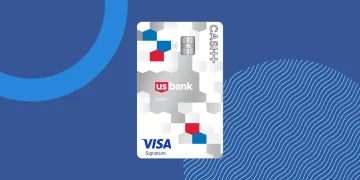
How to Apply for the US Bank Cash Visa Signature Card Online

The U.S. Bank Cash Visa Signature Card offers 5% cash back in selected categories and 2% on daily essentials, with no annual fee or cash back limits. Enjoy flexible redemption options and a 0% introductory APR on balance transfers, ideal for optimizing savings and managing debt.